
Strengthening Health Systems through Capacity Building: A Comparative Study of Approaches and Outcomes
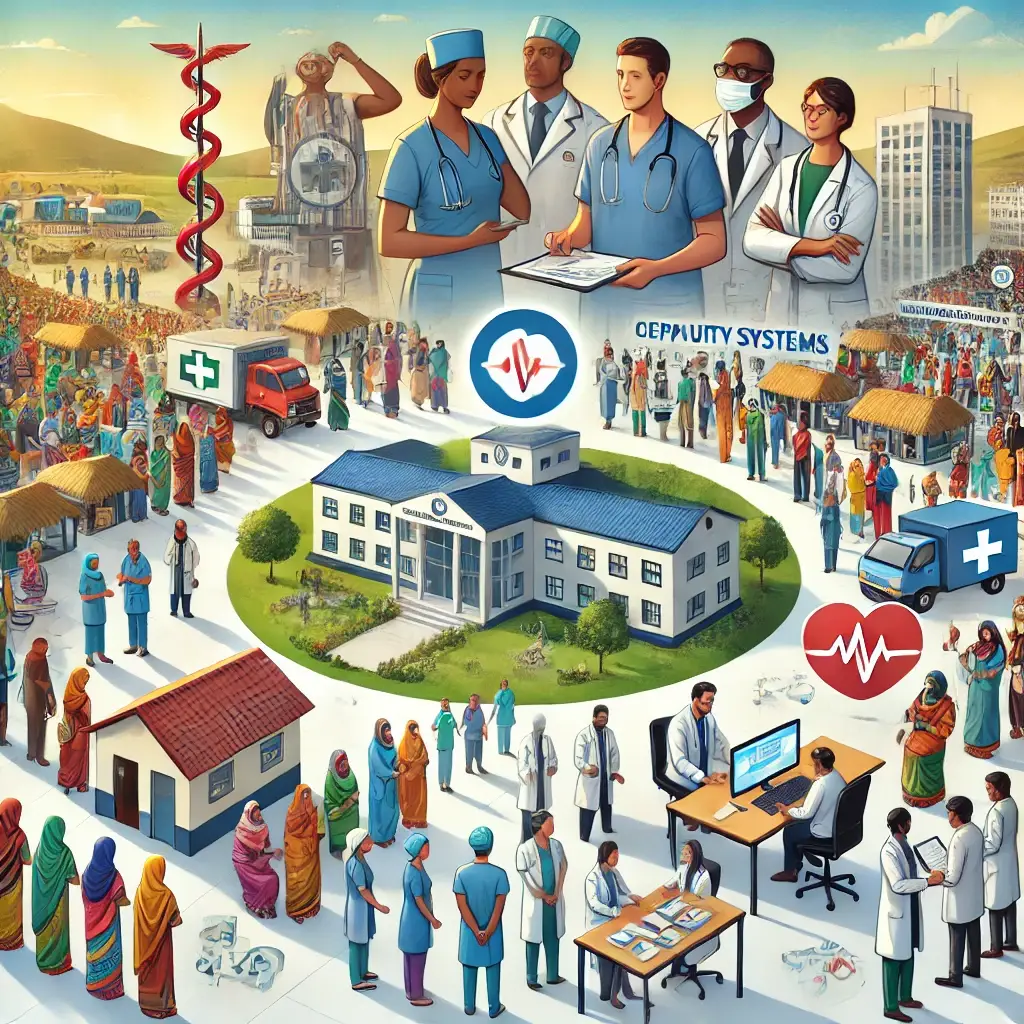
In developing countries, robust health systems are crucial for improving public health outcomes and achieving sustainable development goals. Capacity building plays a pivotal role in strengthening these health systems by enhancing the skills, resources, and infrastructure required to deliver effective healthcare services. Various approaches to capacity building have been employed across different regions, each with unique outcomes and challenges. This comparative study examines these approaches, highlighting the successes and lessons learned from different contexts.
One effective approach to capacity building is the integration of community health worker (CHW) programs, as seen in Rwanda. The Rwandan government has successfully trained and deployed thousands of CHWs to deliver essential health services, particularly in remote and underserved areas. These CHWs are provided with continuous training and support, ensuring they can offer high-quality care. This model has resulted in significant improvements in maternal and child health outcomes, showcasing the impact of community-based capacity building in strengthening health systems.
In contrast, India has focused on enhancing its health infrastructure through public-private partnerships (PPPs). By leveraging the expertise and resources of the private sector, India has been able to expand its healthcare facilities and improve service delivery. The introduction of PPPs has led to better access to advanced medical technologies and specialized care, particularly in urban areas. However, this approach has also faced challenges, such as ensuring equitable access to services and maintaining quality standards across different providers.
A different strategy has been employed in Brazil, where the emphasis is on comprehensive healthcare reforms and decentralized management. Brazil’s Unified Health System (SUS) aims to provide universal healthcare access by decentralizing health management to local governments and investing in primary care services. Capacity-building initiatives in Brazil include extensive training programs for healthcare workers and the development of robust health information systems. These reforms have resulted in improved health indicators, such as increased life expectancy and reduced infant mortality rates, highlighting the importance of systemic capacity building.
In conclusion, strengthening health systems through capacity building requires a multifaceted approach tailored to specific contexts. The successes in Rwanda, India, and Brazil demonstrate the potential of different strategies, from community health worker programs and public-private partnerships to comprehensive health reforms. By learning from these diverse experiences, other developing countries can adopt and adapt these models to improve their own health systems. Effective capacity building not only enhances healthcare delivery but also contributes to broader social and economic development.